Create a new visual direction
Explore approved color, pattern, texture, or material expressions for the intended environment.
Architectural finishes · Commercial interiors
Use architectural film to explore a new visual finish for suitable commercial interior surfaces—without separating design intent from substrate and application reality.
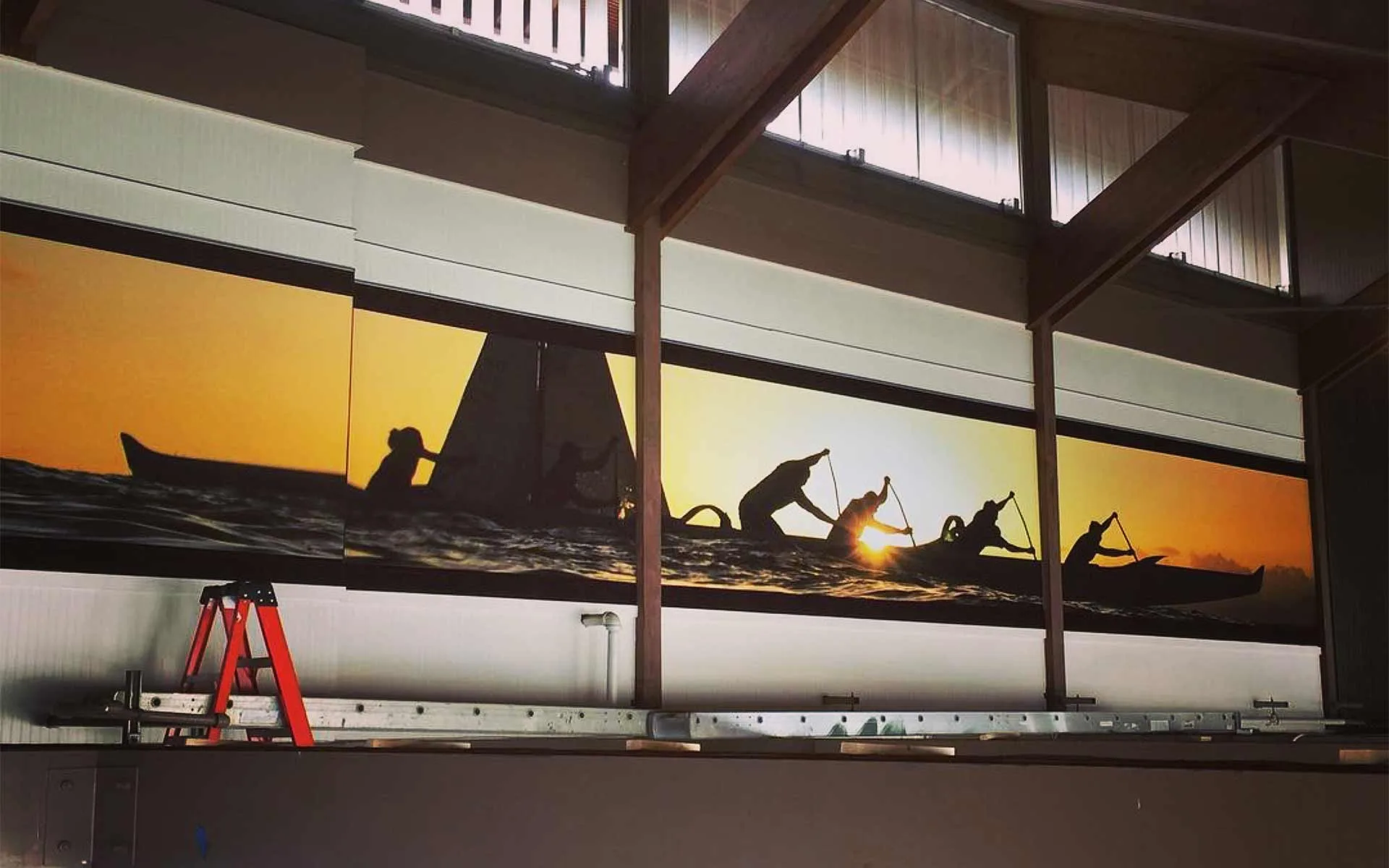
Start with the environment
Explore approved color, pattern, texture, or material expressions for the intended environment.
Assess geometry, edges, transitions, condition, and use before confirming suitability.
Connect selected surfaces to graphics, glass, walls, and the broader brand experience.
Design and application
The visual direction should be reviewed in the space and alongside neighboring materials, lighting, brand elements, and operational use.
Application planning then connects that direction to the actual substrate, details, access, and verified product guidance.
Create a deliberate focal element rather than applying one treatment without hierarchy.
Review faces, returns, edges, hardware, joints, and handling in context.
Use a finish direction as one part of a wider branded environment.
Evidence before specification
Product names, fire or code information, performance, durability, cleaning, warranties, and certifications should not be generalized across architectural films.
When those facts matter, the recommendation must be supported by current approved manufacturer and project documentation.
Confirm the exact film or finish under consideration and its approved documentation.
Match the documented use and limitations to the site, surface, and required approvals.
State what is known, what must be verified, and what is outside the confirmed scope.
One commercial environment
A practical path
Clarify what the space, surface, or glass should do differently for the business and the people using it.
Document the substrate, existing condition, dimensions, access, environment, and operational constraints.
Select a direction only after the use case and available verified product information align.
Plan artwork or finish selections, approvals, site timing, installation, and applicable care information.
Questions to bring forward
No. The substrate, condition, geometry, use, environment, selected product, and project requirements determine suitability.
A broad direction can begin earlier, but a responsible recommendation requires the site, surface, intended use, and verified product documentation.
They can be coordinated as one environment when each application is appropriate and the visual roles are clearly defined.
Surface Review
Share the vehicle or site, current condition, business or design objective, timing, and the information already available. The first review can organize what should happen next.