
Control the relevant view
Map the actual approach, seated and standing positions, interior zones, and outside views.
Privacy film · Decorative glass
Use commercial glass to create visual privacy, pattern, identity, or a more deliberate interior—starting with sightlines, lighting, and the experience of the space.
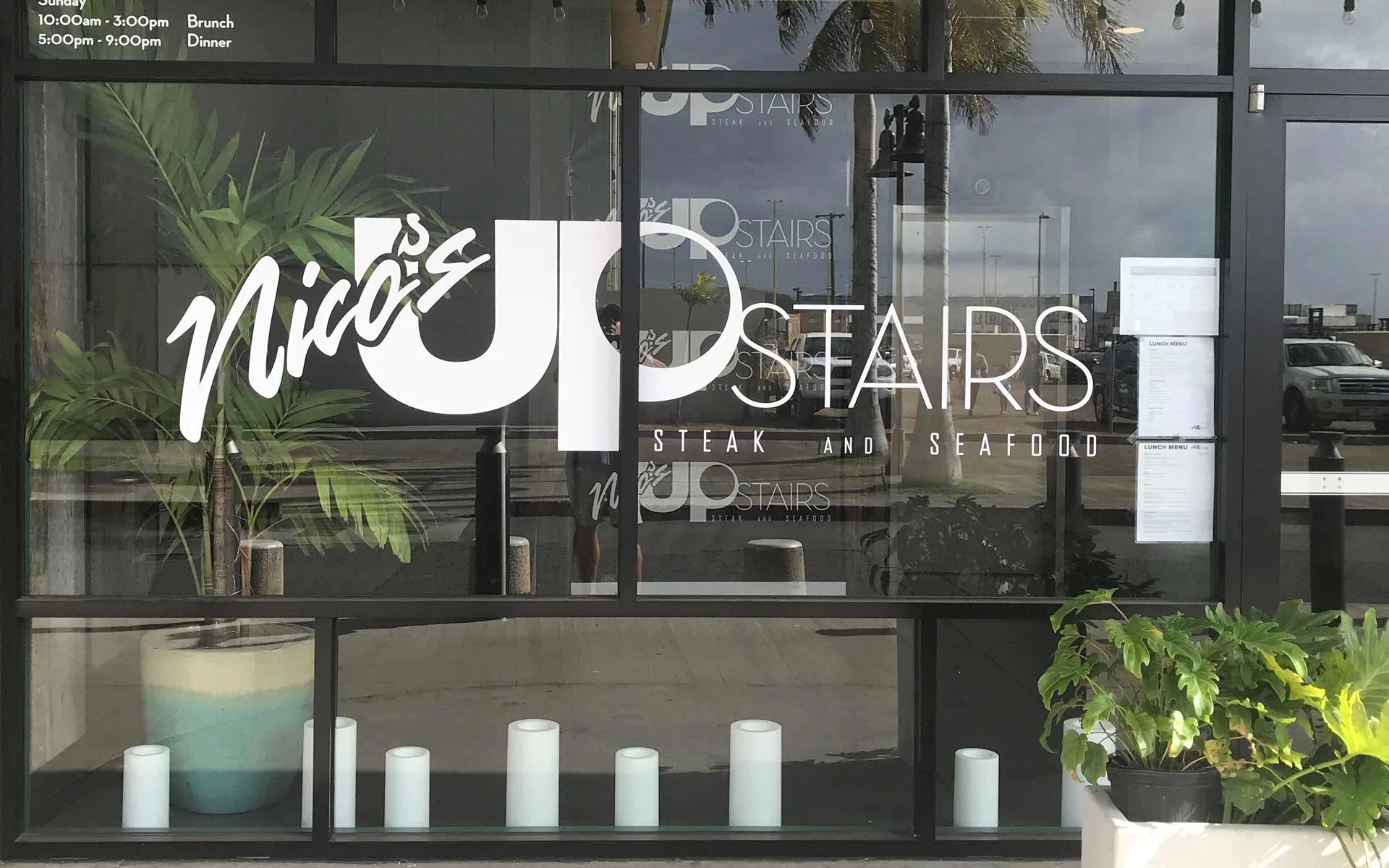
Start with the environment
Map the actual approach, seated and standing positions, interior zones, and outside views.
Use rhythm, scale, transparency, and spacing to support the architecture and brand.
Coordinate frosted or printed elements with logos, graphics, or the wider environment.
Privacy with purpose
Conference rooms, offices, clinics, service areas, storefronts, and shared interiors have different privacy expectations and traffic patterns.
A site-aware design uses coverage, height, pattern, and visual density to address the specific view rather than applying the same band everywhere.
Coordinate seated and standing privacy with corridor views, doors, and room identification.
Balance screening, brand presence, entry clarity, and the desired connection to the interior.
Use repeated pattern or graphic rhythm to give glass a deliberate architectural presence.
Design that works from both sides
A film can appear differently as lighting changes and viewers move. The design should be considered from relevant interior and exterior positions.
Any stated privacy or performance expectation must remain specific to the chosen product, coverage, environment, and verified information.
Use site photography and dimensions to evaluate scale, alignment, and coverage before production.
Review relevant finish and visual behavior in the intended environment when appropriate.
Connect glass graphics to adjacent walls, signs, finishes, and brand elements.
One commercial environment
A practical path
Clarify what the space, surface, or glass should do differently for the business and the people using it.
Document the substrate, existing condition, dimensions, access, environment, and operational constraints.
Select a direction only after the use case and available verified product information align.
Plan artwork or finish selections, approvals, site timing, installation, and applicable care information.
Questions to bring forward
Privacy depends on the product, coverage, lighting, distance, viewing angle, and environment. The required sightline should be reviewed directly.
Custom branded or patterned directions may be possible when artwork, production, visibility, and application requirements are confirmed.
Yes. A repeatable system can establish common heights, pattern rules, room adaptations, and brand cues while accounting for each space.
Surface Review
Share the vehicle or site, current condition, business or design objective, timing, and the information already available. The first review can organize what should happen next.