
Clarify the required sightline
Identify who needs privacy, from where, at what times, and under which lighting conditions.
Commercial glass · Window film review
Start with what the building and its occupants need from the glass, then evaluate an appropriate film using the actual glazing and verified product documentation.
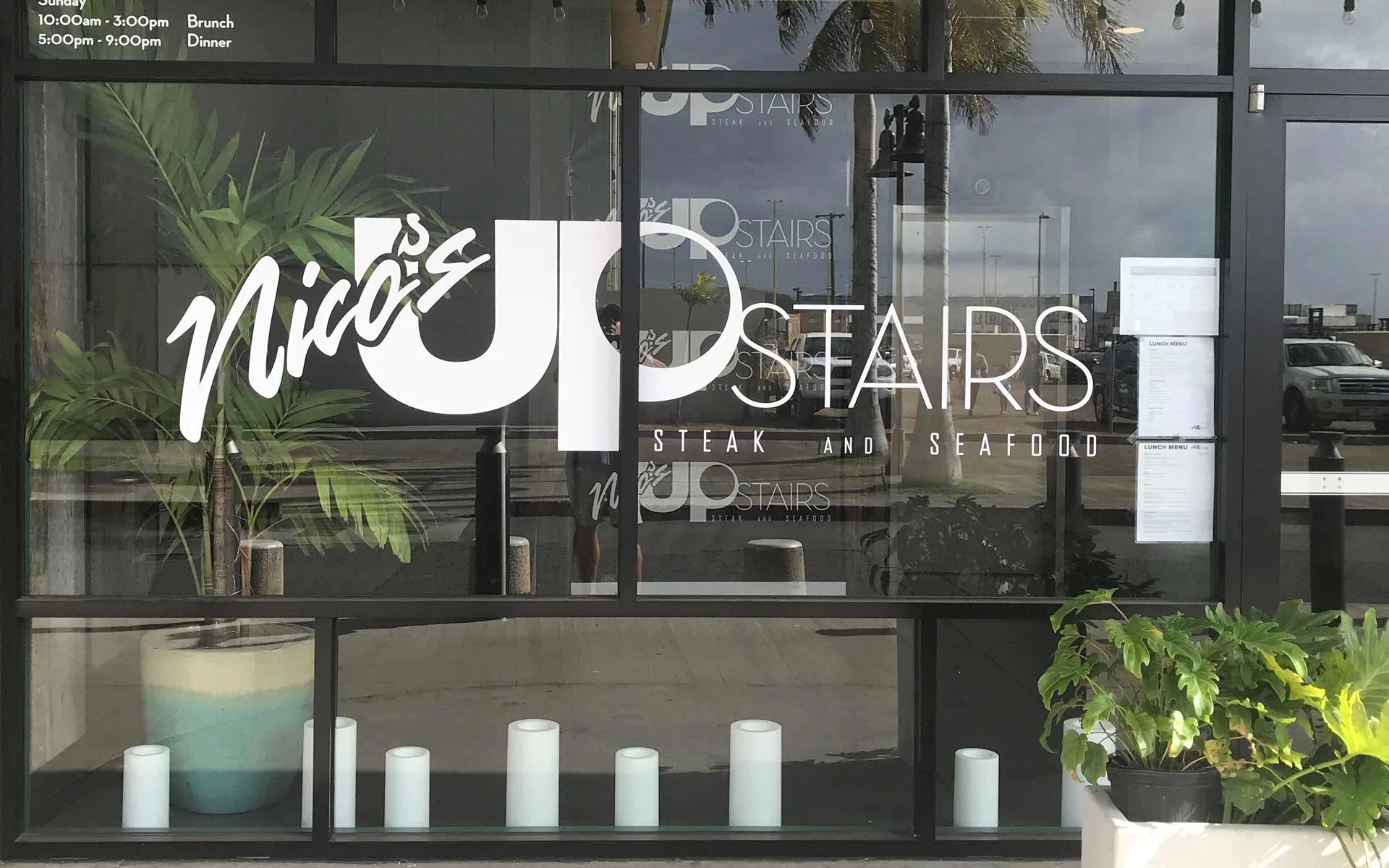
Start with the environment
Identify who needs privacy, from where, at what times, and under which lighting conditions.
Document glare, brightness, view, room use, and other observed conditions before proposing a response.
Separate finish protection, glass-related goals, and other needs that require different evidence and products.
Performance must be verified
Commercial glass systems vary. A responsible review identifies the glazing, existing film, environment, desired outcome, appearance, and constraints before narrowing a product direction.
Any measurable performance, safety, security, solar, warranty, certification, or code-related statement must come from current approved documentation for the selected product and installation.
Document the building, pane, orientation, dimensions, existing conditions, and known glazing information.
Understand room function, occupants, privacy angles, light conditions, and visual expectations.
Confirm the exact film and rely on approved manufacturer data for technical decisions.
One commercial-glass review
This page owns the broad commercial window-film conversation while Privacy & Decorative Window Film addresses visual privacy and design intent.
Safety, security, solar-control, anti-graffiti, and other technical needs require direct confirmation of capability, product documentation, and project conditions before any recommendation or claim is made.
Use this page for broad building-glass film questions and initial project context.
Use the decorative-film path when visual screening or glass character is the main objective.
Confirm capability and documentation directly rather than inferring it from a broad service description.
One commercial environment
A practical path
Clarify what the space, surface, or glass should do differently for the business and the people using it.
Document the substrate, existing condition, dimensions, access, environment, and operational constraints.
Select a direction only after the use case and available verified product information align.
Plan artwork or finish selections, approvals, site timing, installation, and applicable care information.
Questions to bring forward
No unspecified film has one valid performance profile. Measurable claims require the exact product, glass, installation context, and current approved documentation.
Decorative and privacy film are part of the commercial-glass conversation, but other window-film goals may require different product evidence and project review.
No. Safety, security, solar, certification, warranty, and other technical claims remain gated until the specific capability and supporting evidence are approved.
Surface Review
Share the vehicle or site, current condition, business or design objective, timing, and the information already available. The first review can organize what should happen next.